Thin Air, High Stakes
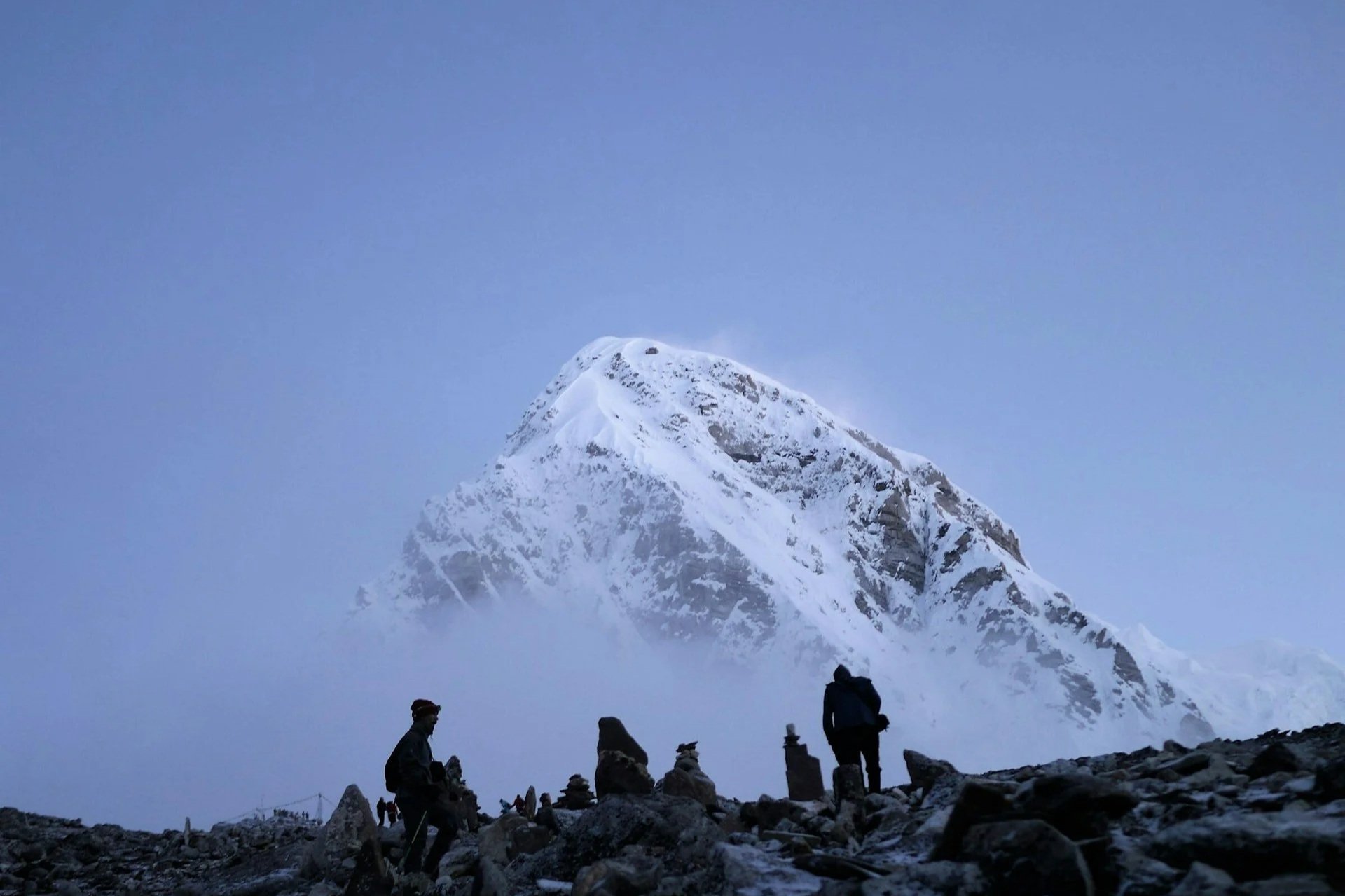
Crisis communications lessons from the Everest 2026 season.
The 2026 Everest season was widely labeled a success, with record numbers of climbers and Sherpa guides reaching the summit despite a late start and a narrow, hard‑to‑predict May weather window.
As the season was winding down and teams were celebrating, one Sherpa guide did not come home. Hillary Dawa Sherpa, an experienced high‑altitude worker, had been guiding a client on a late summit push near the South Col. On the descent above Camp III on the Lhotse Face, he fell behind and was left on the mountain.
For days, no formal rescue was launched, even as ladders and fixed lines through the Khumbu Icefall were removed and helicopters airlifted remaining climbers to safety. Alone at extreme altitude without food, water, or supplemental oxygen, he survived nearly six days before a cleanup team spotted him near the Khumbu Icefall, badly injured but alive, dragging himself toward lower camps in an extraordinary act of self‑rescue.
Even with modern gear, forecasting, and guiding, layered safety systems can still fail when communication, coordination, and decision‑making break down. The Everest 2026 season shows how easily a “successful” system can mask a chain of quiet failures.
The same pattern appears in organizational crises. On paper, you may have a strategy, a chain of command, and procedures. Under pressure, though, small communication failures stack up.
People lose track of what others are doing, make assumptions, and act on partial information. Efforts that were meant to be aligned begin to work at cross‑purposes, creating confusion, reputational damage, and sometimes real harm.
High‑altitude guides talk about the “Swiss cheese model”: every system has holes, and disaster occurs when the holes line up. In crisis communications, your goal is not perfection but strong, overlapping defenses—so problems meet a coordinated response rather than a tangle of individual reactions.
Managing a crisis—on a mountain or in an organization—demands clear leadership, calm judgment, and a tight, well‑rehearsed team that knows who is doing what.
It also requires a culture that prioritizes informed decisions over ego and speed for its own sake.
How to build a crisis communications team that will not “bottleneck”
Here are practical steps to make your crisis communications function behave less like an overcrowded summit ridge and more like a disciplined rope team.
Create a crisis‑ready communications plan
Build a concise crisis communications playbook that sits alongside your broader crisis or continuity plan, spelling out decision rights, approval paths, and first‑24‑hour actions for internal and external communications.
Make the plan digital, secure, and accessible when people are remote or traveling—assume your “storm” will not wait until everyone is in the same room.
Include pre‑approved holding statements and templates (for example, operational failure, data incident, leadership issue) that you can quickly adapt as facts become clear.
Decide who is on the rope team before the storm
Identify your crisis communications team in advance and gain explicit executive agreement on who is in the room when it matters.
At minimum, include the senior communications lead, a C‑suite decision‑maker, legal, operations/technology, and HR or people leadership.
Designate a clear chair for the team so no time is lost debating who calls the shots once a crisis hits.
Keep the decision‑making group small
Limit the core crisis communications team to about five people; small, cross‑functional teams make faster, clearer decisions under pressure than large groups.
Ensure each member brings a distinct lens—no duplicate roles that blur authority or accountability.
Bring in subject‑matter experts as needed, but keep decision rights anchored in the core team to avoid an “Everest traffic jam” of opinions.
Practice with real‑world drills
Run at least annual drills that mimic real conditions: incomplete information, social media pressure, demanding executives, and competing stakeholder needs.
Use the same channels you would in a live event—email, chat, video calls, executive texts, media inquiries—so you stress‑test both your plan and your tools.
When possible, ask an external crisis communications expert to design or facilitate the exercise, the way a trusted guide builds realistic scenarios in the mountains.
Debrief behaviors, not just outcomes
After every drill—or real incident—run a structured debrief focused on behavior and process, not only on the final statement or media coverage.
Look for your “Everest moments”: where communication slowed, assumptions went unchallenged, approvals bottlenecked, or people acted alone instead of staying tied into the team.
Turn those observations into a short, practical “lessons learned” addendum to your plan and review it with leadership.
Bringing the lesson down from the mountain
The 2026 Himalayan season is a reminder that modern systems can fail through a chain of small missteps, missed signals, and uncoordinated decisions that align under pressure.
Organizations are no different. Crises rarely come from one bad email or one tough interview; they emerge when leaders and teams are misaligned, information is slow or incomplete, and no one is clearly accountable for the story you are telling.
You cannot control every external event, but you can control how prepared your team is, how clearly you communicate, and how deliberately you decide when the altitude feels thin.
The stronger and simpler your crisis communications team, the less likely you are to experience your own high‑stakes bottleneck—or leave anyone behind while everyone else is already celebrating the season.