America Brands Football
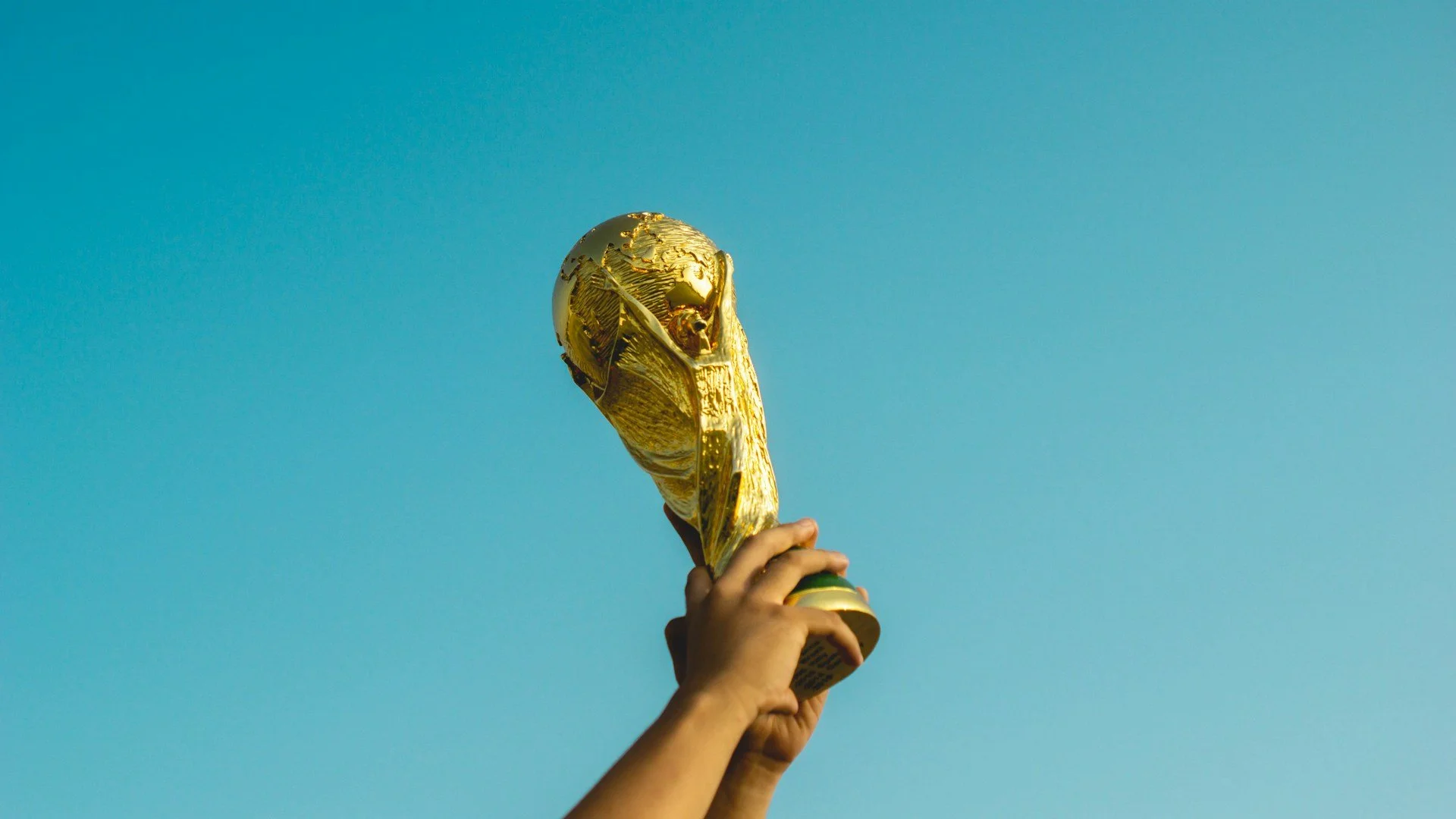
How the World Cup went from outsider sport to cultural force in the US.
The 2026 World Cup in the United States feels less like a niche sports moment and more like a national cultural event.
Not too long ago in the US, football - or soccer, as it was stubbornly called and often dismissed - was treated like the outsider sport. It was not considered "real" football. It was the game people mocked, misunderstood, or politely ignored. I still remember being in high school (secondary school) when our gym teacher marched us out to the pitch, pointed at the goals, and tried to explain the rules to a group of skeptical teenagers standing around with folded arms and expressions that said, you cannot be serious.
We've come a long way.
The World Cup is now a recognizable brand in America. But, the real question is how FIFA - and the broader football ecosystem around it - managed to turn the world's biggest sporting event into something that now feels familiar, desirable, and commercially powerful in the US.
In the early 2000s, I had the privilege of working with FIFA on digital projects tied to member associations around the world while working for a digital marketing agency in New York as a global marketing strategist. I spent many hours in focus groups with people form different countries as we unpacked the value and meaning of the sport to them.
It was a remarkable experience, not just because of the scale, but because of the care taken to understand culture, community, identity, and history in each market. FIFA understood something many global organizations still struggle with: people connect to stories, to symbols, to place, and to the feeling of belonging before they connect to brands.
That understanding helps explain how the World Cup went from being a tournament Americans watched from a distance to a brand they now actively anticipate, celebrate, and build around.
Market entry
In 1994, FIFA brought the World Cup to the United States. At the time, that was a bold move. Soccer sat far below the NFL, NBA, MLB, and even college sports in the American hierarchy. But if you want to build a market, there is no substitute for presence. FIFA not only marketed the sport to Americans; it brought the tournament itself to American soil, along with the noise, energy, pageantry, and emotional intensity that make the World Cup unlike any other event.
That tournament also helped lay the groundwork for a domestic league structure that could support long-term growth. Major League Soccer became part of that legacy. What looked at the time like a very ambitious bet now looks more like the planting of a flag.
Cultural patience
The rise of football in the United States did not happen overnight, and it did not happen because of one tournament alone. It took decades of repetition, visibility, and grassroots participation. In other words, long-term planning, marketing and investment.
Youth soccer expanded. Immigrant communities kept football culture alive and visible. International stars became easier to watch. European club football found American audiences through cable, then streaming, then social media.
And then the women's game changed the conversation, giving millions of Americans a direct emotional connection to international football through excellence, identity, and pride.
Over time, the sport progressed from “feeling foreign” to becoming part of the American sports conversation.
Brand power through identity
The World Cup has always had something that most sports properties would envy: a built-in emotional meaning. At its core, it is about country, memory, language, migration, rivalry, and belonging.
That gives the tournament extraordinary brand strength. People locate themselves inside of the World Cup. They watch because it reflects who they are, where they come from, or who they are with. In a country as diverse as the United States, that individual belonging is significant.
That is a very different kind of brand building from traditional sports marketing. It is less about persuasion and more about invitation.
The 2026 tipping point
What makes 2026 different is that now a validated global property has entered a market that is finally ready for it at full scale. FIFA is no longer trying to prove that football belongs in America. That argument is over.
This time, Americans know the players, the clubs, the stakes, the rituals, and the spectacle. Broadcasters understand how to package it. Sponsors understand how to activate around it. Cities understand how to host it. Fans understand how to claim it as their own.
The tournament is now part of the mainstream commercial and cultural landscape. It sits comfortably at the intersection of sport, entertainment, media, travel, identity, and global business.
A cultural force
The most effective global brands create meaning people want to participate in. The World Cup has done that better than almost any sporting property on earth.
In the United States, that journey has been especially striking. Arriving at the same time as the country’s 250th celebrations, a renewed pride has emerged on social media with the many social accounts from fans sharing their experience of American culture. And too much surprise, how wonderful it has been. There is a certain glee in the air among Americans that, in a way, a still young country may have finally been accepted as having some unique qualities worth celebrating.
Was it part of the marketing? Most likely.
What was once mocked as foreign, soft, or secondary has become one of the most anticipated events in the American sporting calendar. And a cultural force promoting a new image of the US on the world stage at a time when it needs it most.
All due to FIFA’s commitment to invite them into something bigger than a game.